

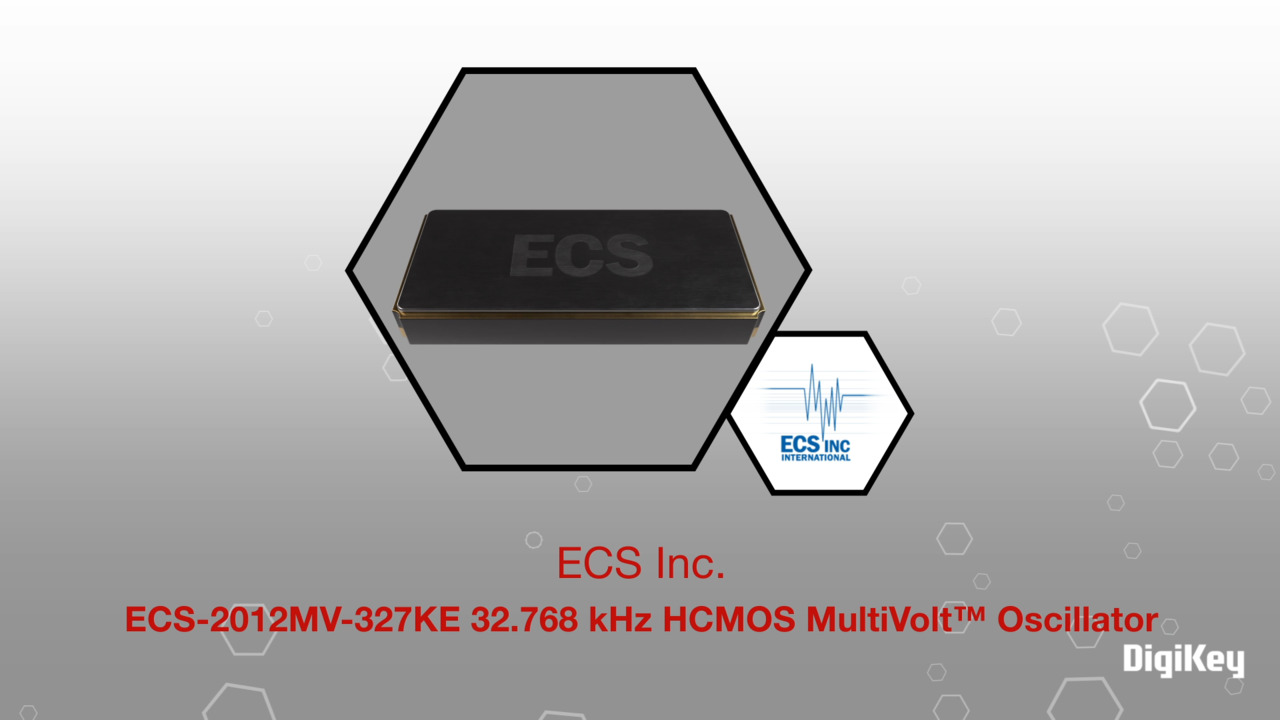
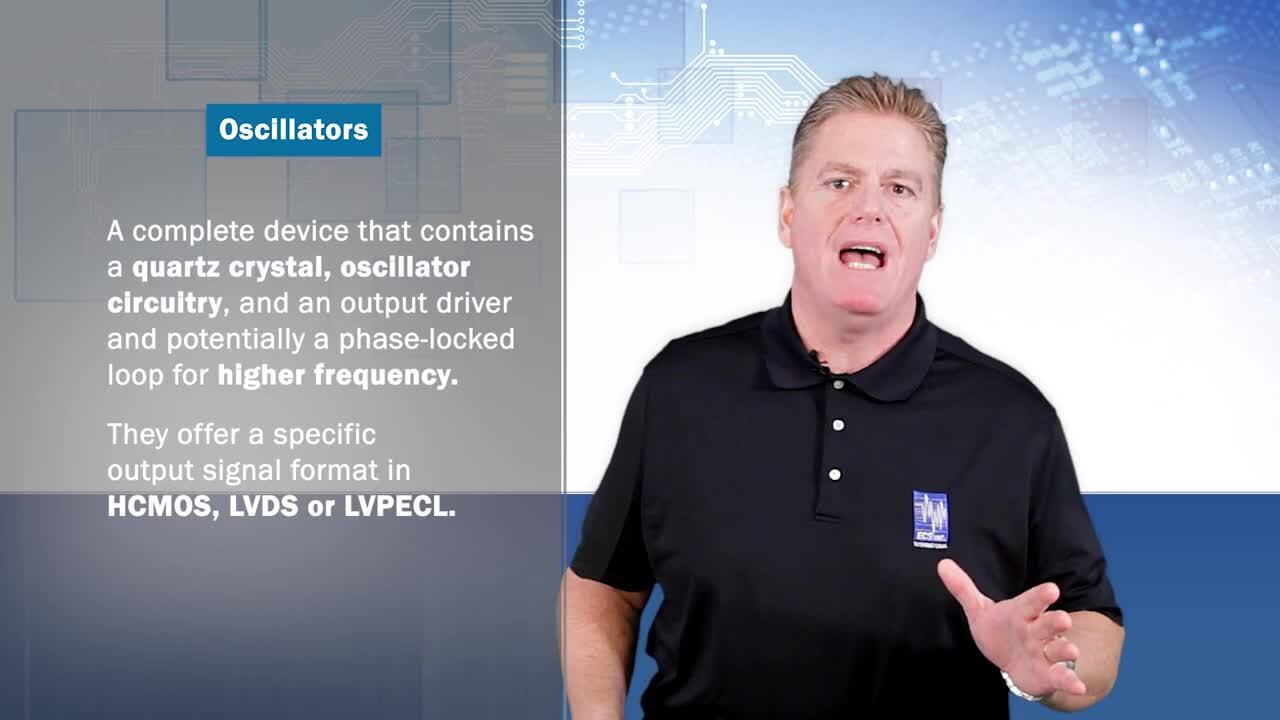
ECS Inc. introduces the ECS-2012MV-327KE 32.768 kHz HCMOS MultiVolt™ Oscillator, a versatile component that offers MultiVolt capabilities.
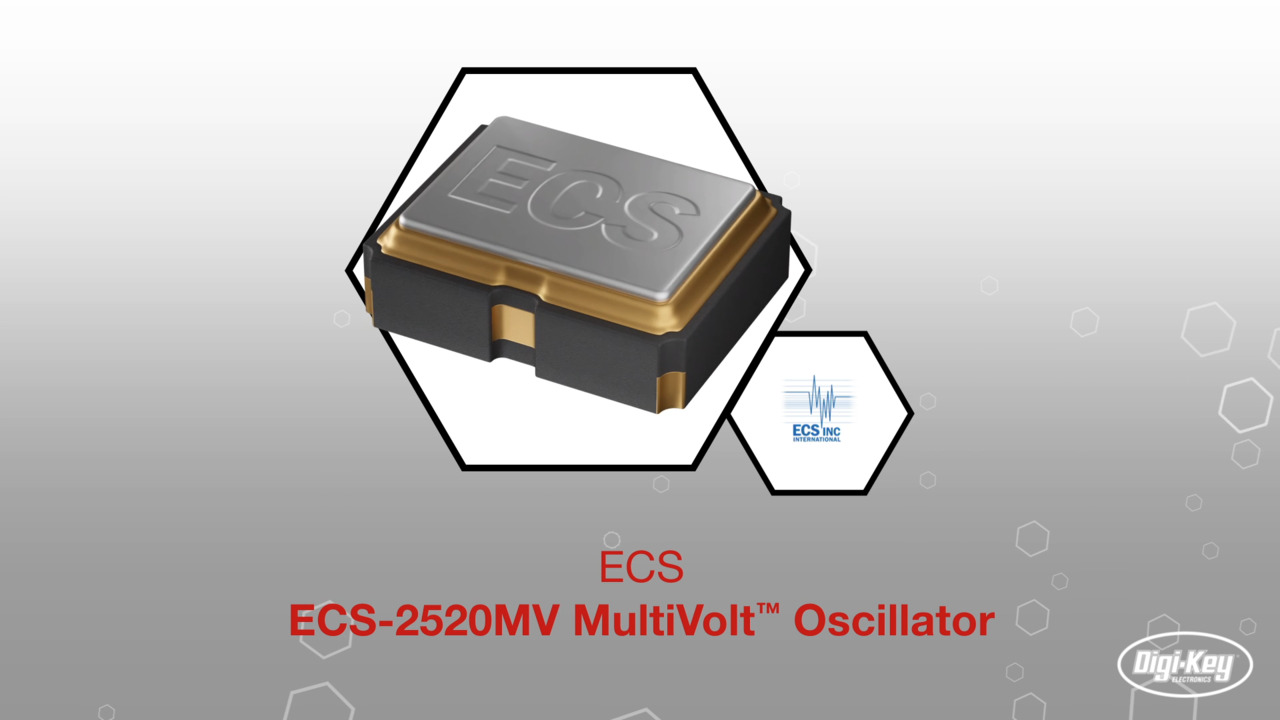
The ECS-25 20 M V are H CMOS surface mount oscillators that come in a ceramic 2.5 by 2.0 by 0.8 millimeter industry-standard package that saves board space.
David Meaney discusses what thermistor crystals are and when to use them! Thermistor crystals can compensate the effects that temperature has on quartz crystal and can offer tight frequency stabilities.
David Meaney covers drive level and negative resistance. The drive level is the power dissipated by the crystal when it is operational; if the highest drive level is exceeded, the crystal may become unstable and may have complete crystal failure.
David Meaney will discuss oscillator transconductance, resonance modes, and design considerations. Transconductance is vital in understanding if an oscillator will start consistently.
Quartz crystal has an internal structure that allows it to be used at very specific frequencies. When quartz crystal’s temperature changes, the frequency will change as well.
David Meaney discusses the differences between series and parallel oscillator circuits. In a series circuit, the resonant frequency is the only the resistive value whereas a parallel circuit uses a crystal to operate with a specific load capacitance.
David Meaney reviews oscillator start-up time and reactance in an oscillator circuit. Start-up time is the period when an oscillator is first turned on when it is unstable before it stabilizes.
David Meaney covers what an oscillator is, a variety of oscillator applications, and what resonators are associated with them to build a functioning oscillator.
David Meaney discusses frequency pulling methods and circuit load capacitance. A parallel frequency is when there is an external load capacitance forcing a crystal to oscillate in a frequency range slightly above its series resonant frequency.
Modern Business, host Mike Ditka will share the story of ECS Inc. and highlight our goals and vision for the future. The segment will focus on applications, trends and issues related to “Key Electronic Components Meeting Todays Industry Standards”.
This video will look at various types of clocks and discuss some of the acronyms used to identify them and the Hierarchy of their use and performance.
To understand the history of quartz we need to examine what it is. Quartz is a mineral made of Silicon Dioxide, that is found in abundance in nature. In fact, Quartz is the second most abundant mineral in Earth’s crust.
Quartz is so widely used, They are also used in high end system timing for Networking & Communications, Base stations, GPS, Cellphones and many others electronics we use on a day to day basis.
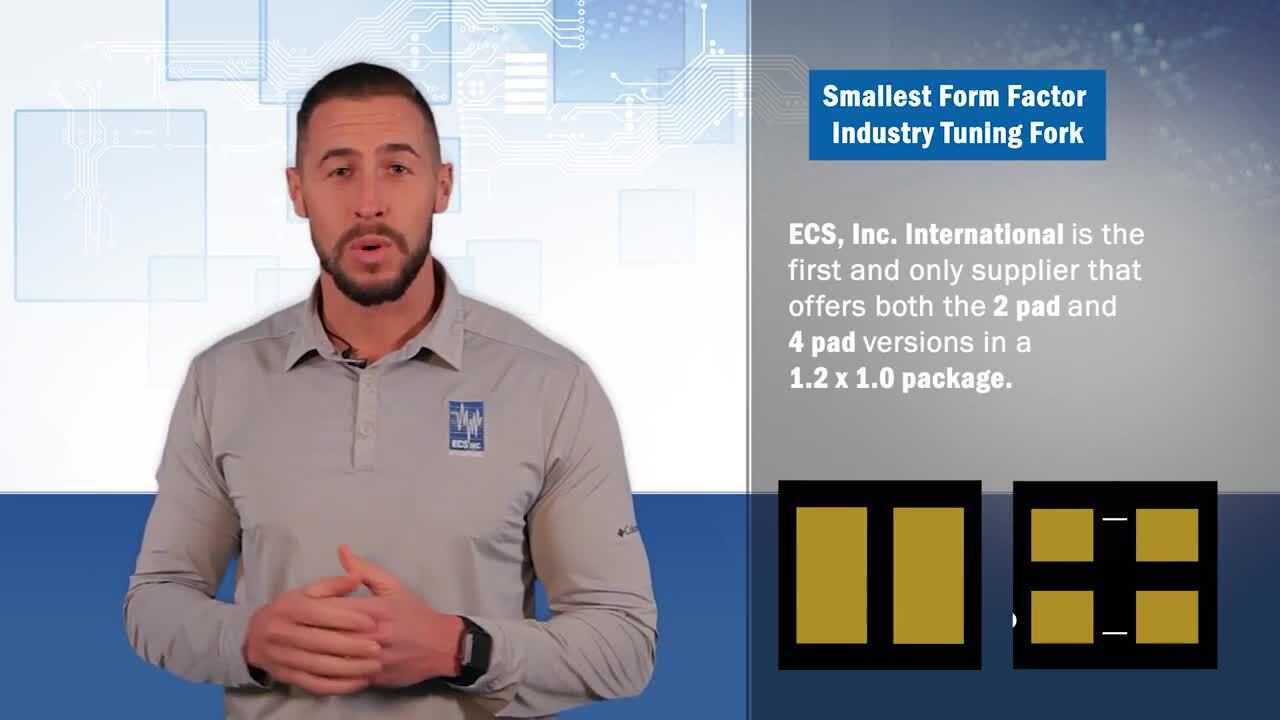
ECS, Inc. International is the leader in the development and miniaturization of 32.768 KHz technology. We offer the smallest form factor tuning fork in the industry.
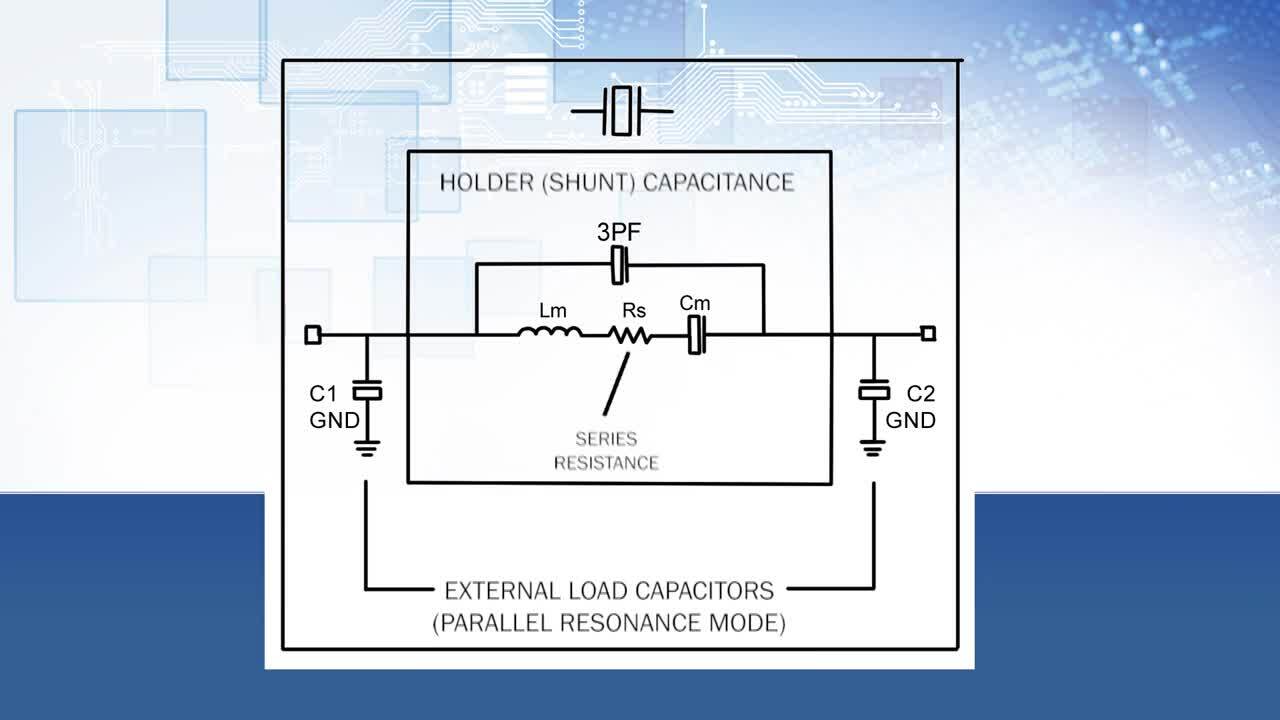
Equivalent Series Resistance from ECS is the effective resistive component in series with the LC model of the crystal itself. A typic al range is 25Ω to 100Ω for most crystals.
ECS Crystal drive level is the amount of power dissipated in a crystal, usually specified in microwatts or milliwatts. It can be calculated by measuring the current flowing through the crystal.
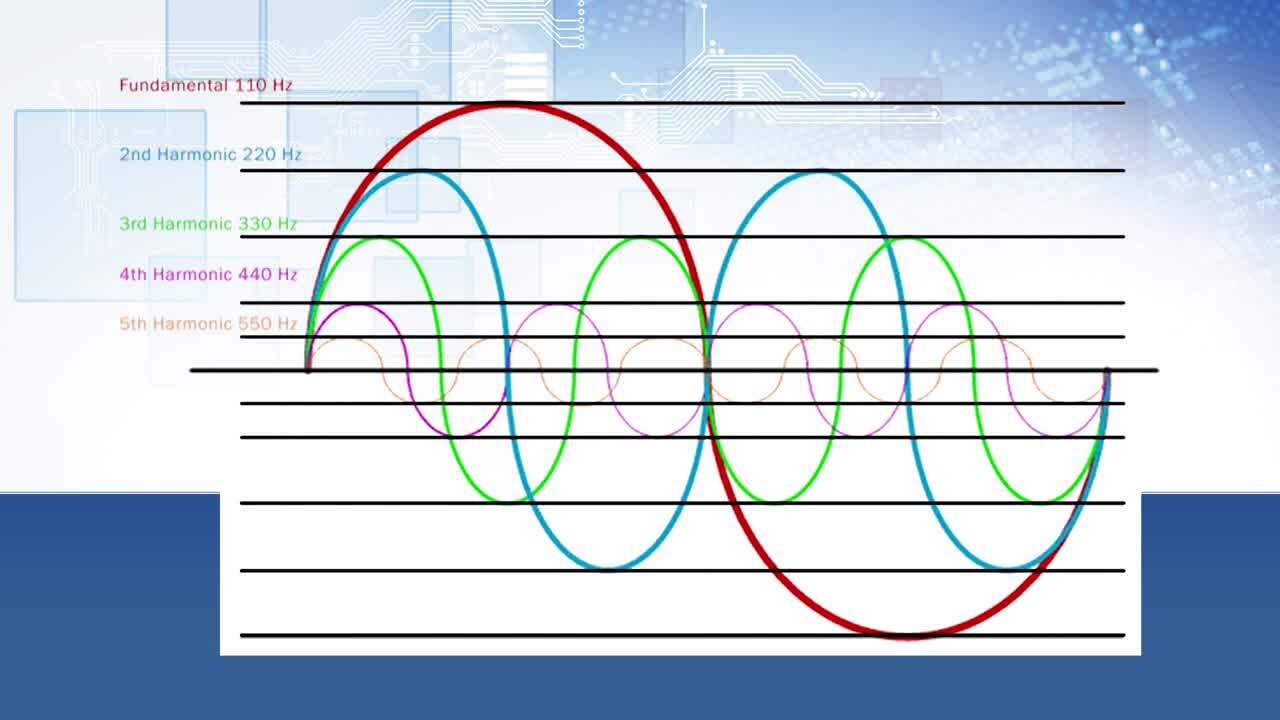
Shown in ECS video resonance occurs when a system is able to store and easily transfer energy between different storage modes, such as Kinetic energy or Potential energy as you would find with a simple pendulum.

After a period of inactivity, a crystal’s series resistance from ECS can rise well above its maximum specified value, becoming a function of the ac electrical drive level. This effect is known as drive-level dependency or “sleepy crystals.”
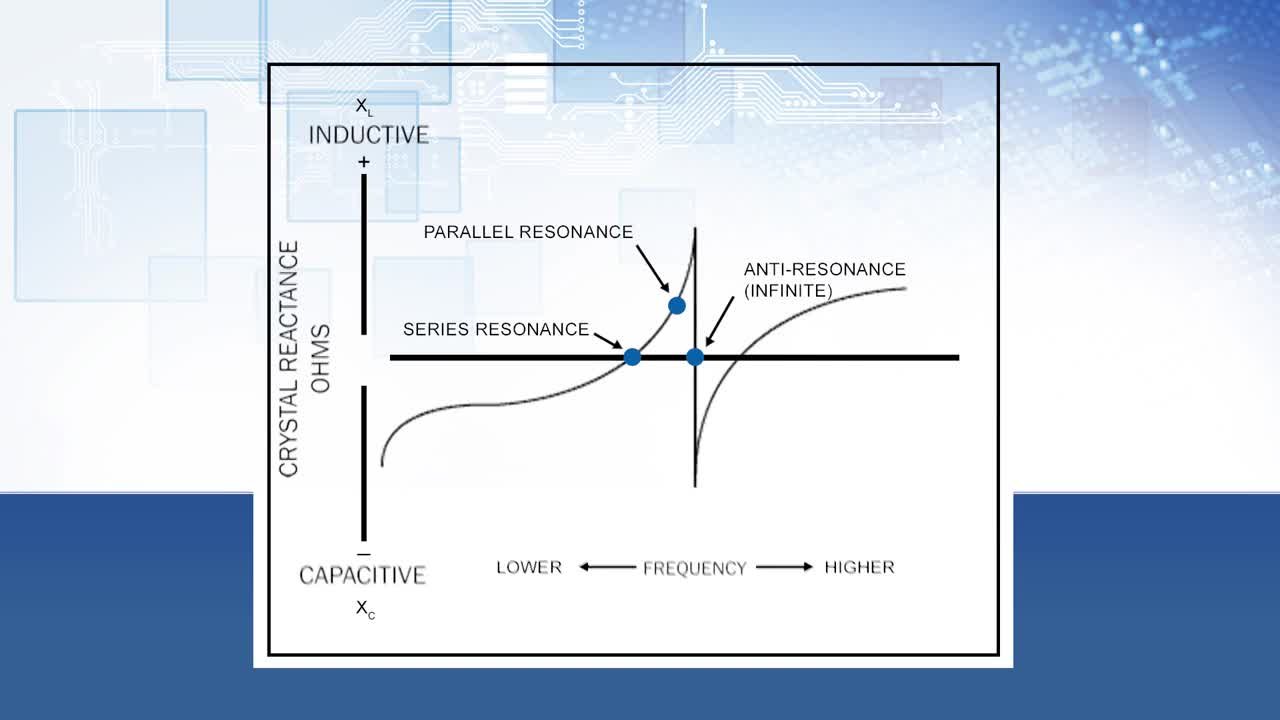
Load capacitance is the amount of external circuit capacitance in parallel with the crystal itself. In this ECS example the crystals parallel-resonance mode is always above the series resonance frequency and is characterized by inductive reactance.